
RANGE - THE DETAIL THAT MAKES THE DIFFERENCE
Trace
Elements
Trace elements are present in natural seawater at concentrations measured in micrograms per litre — yet their absence is felt immediately. Each of our 13 elements is independently formulated, pharmaceutical-grade, and bottled separately so you dose only what your system actually needs.
-
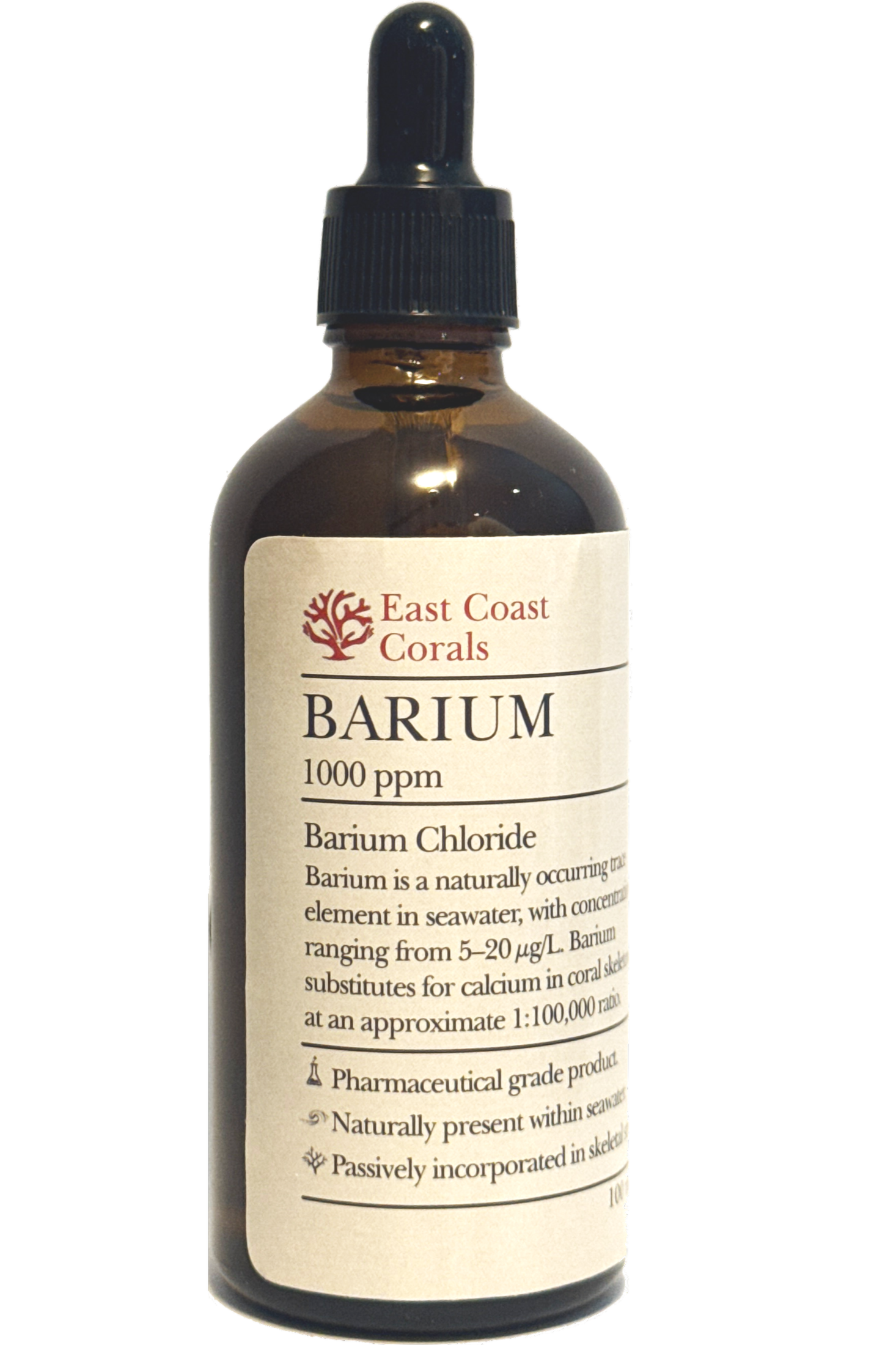
BARIUM
Barium is a naturally occurring trace element in seawater, with concentrations ranging from 5–20 µg/L. Barium substitutes for calcium in coral skeletons at an approximate 1:100,000 ratio.
-
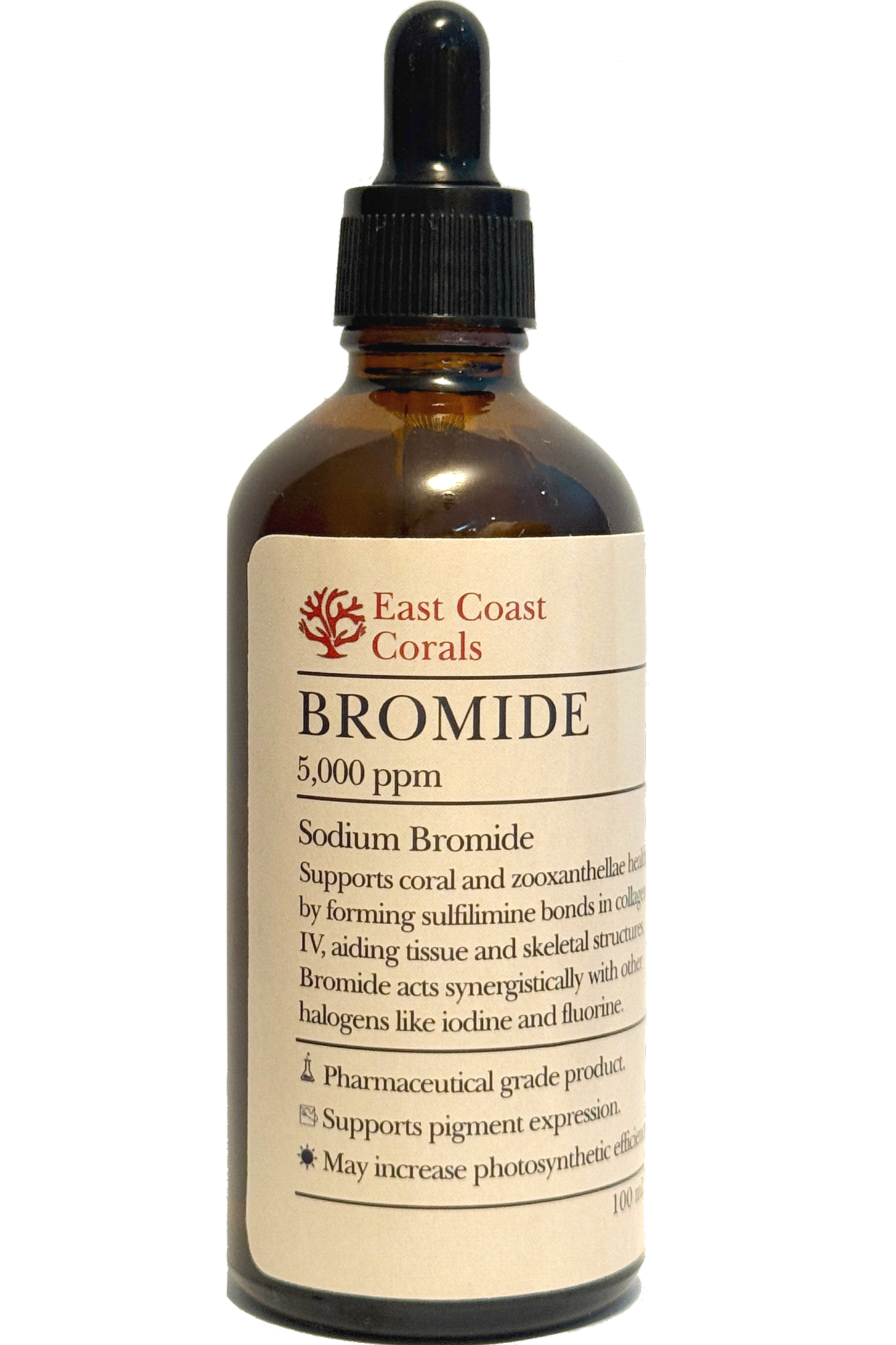
BROMIDE
Supports coral and zooxanthellae health by forming sulfilimine bonds in collagen IV, aiding tissue and skeletal structures. Bromide acts synergistically with other halogens like iodine and fluorine.
-
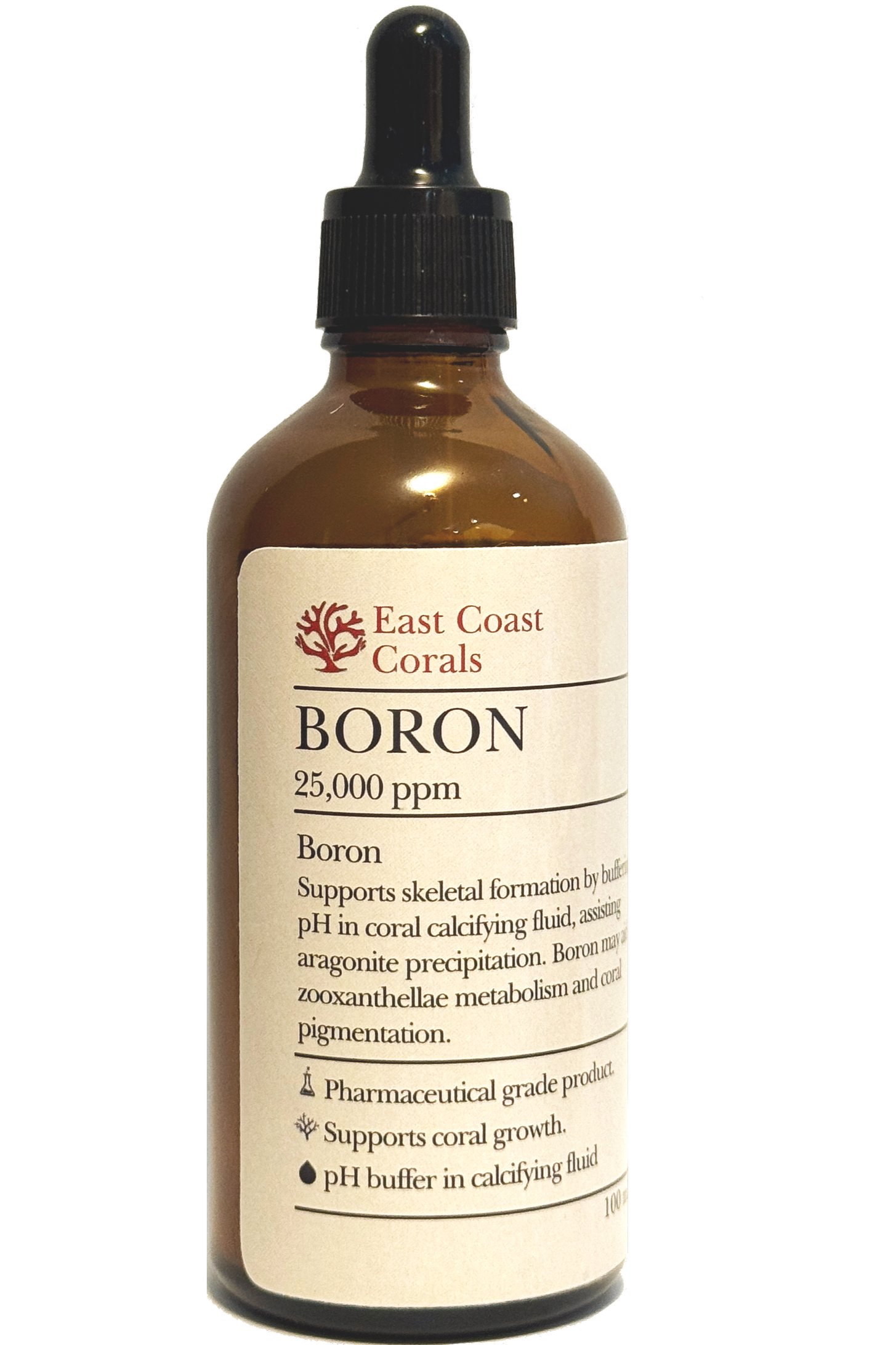
BORON
Supports skeletal formation by buffering pH in coral calcifying fluid, assisting aragonite precipitation. Boron may aid zooxanthellae metabolism and coral pigmentation.
-
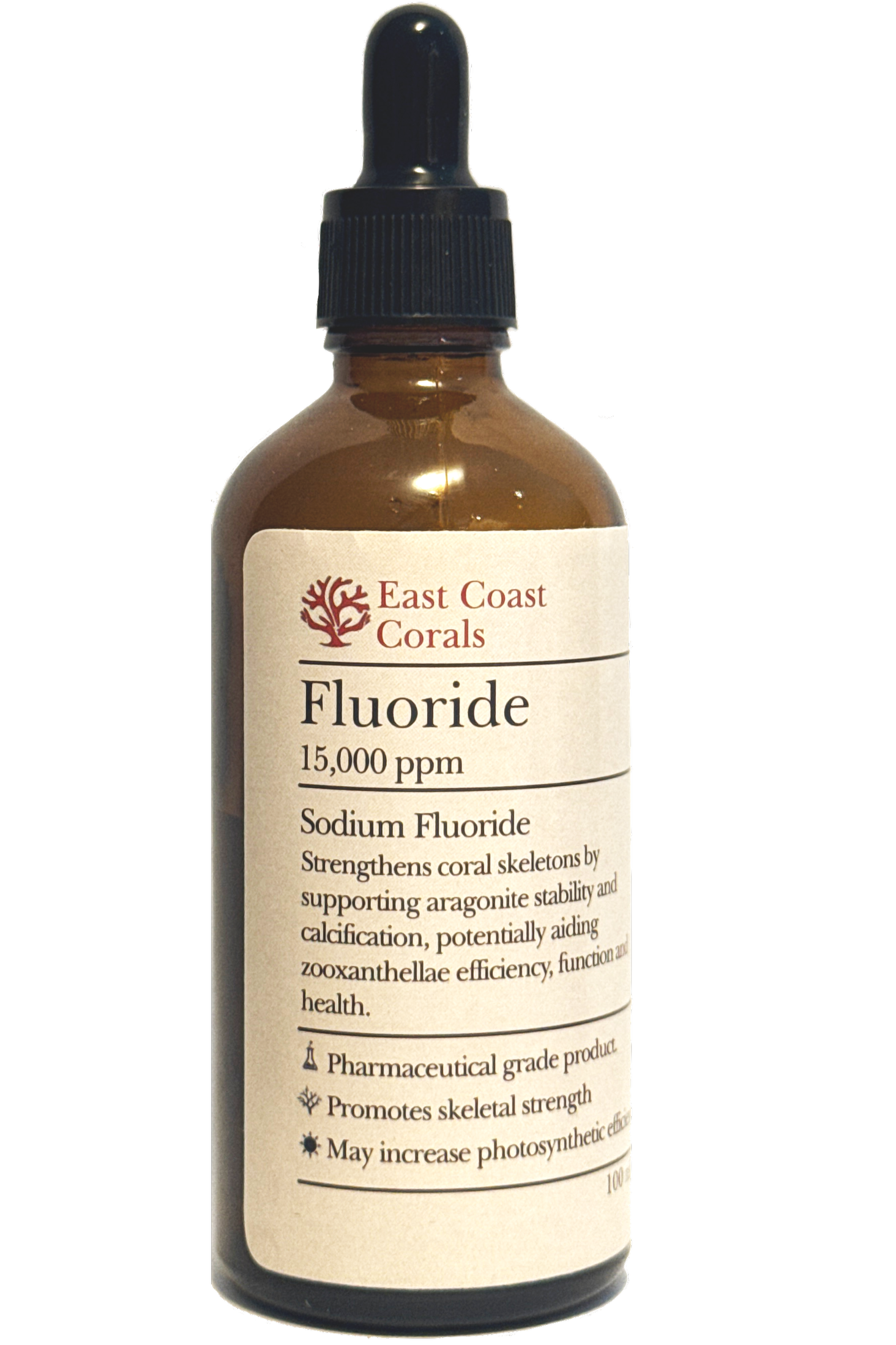
FLUORIDE
Strengthens coral skeletons by supporting aragonite stability and calcification, potentially aiding zooxanthellae efficiency, function and health.
-
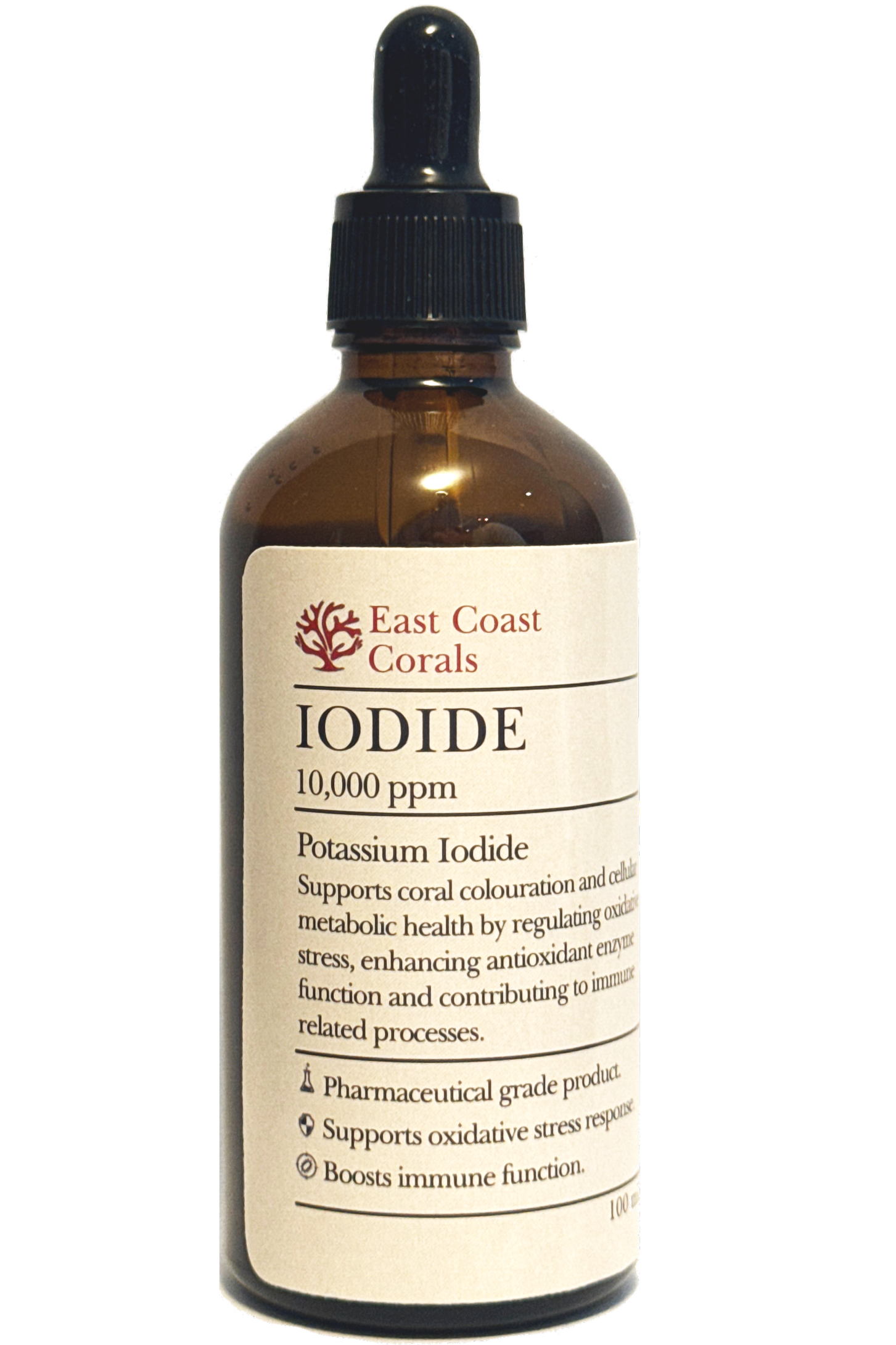
IODIDE
Supports coral colouration and cellular metabolic health by regulating oxidative stress, enhancing antioxidant enzyme function and contributing to immune related processes.
-
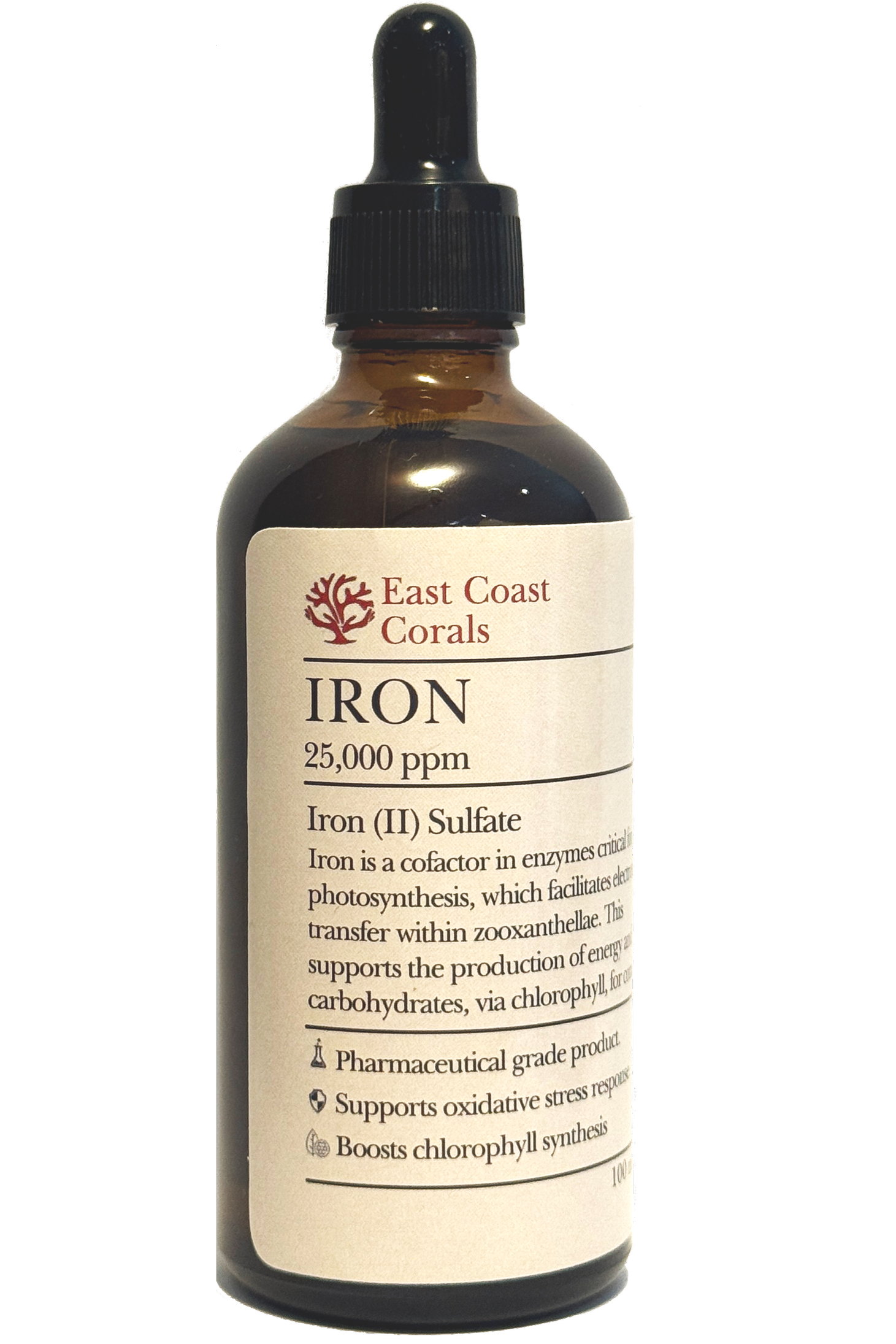
IRON
A cofactor enzyme, critical for photosynthesis. Iron facilitates electron transfer within zooxanthellae, supporting the production of energy and carbohydrates, via chlorophyll, for coral
-
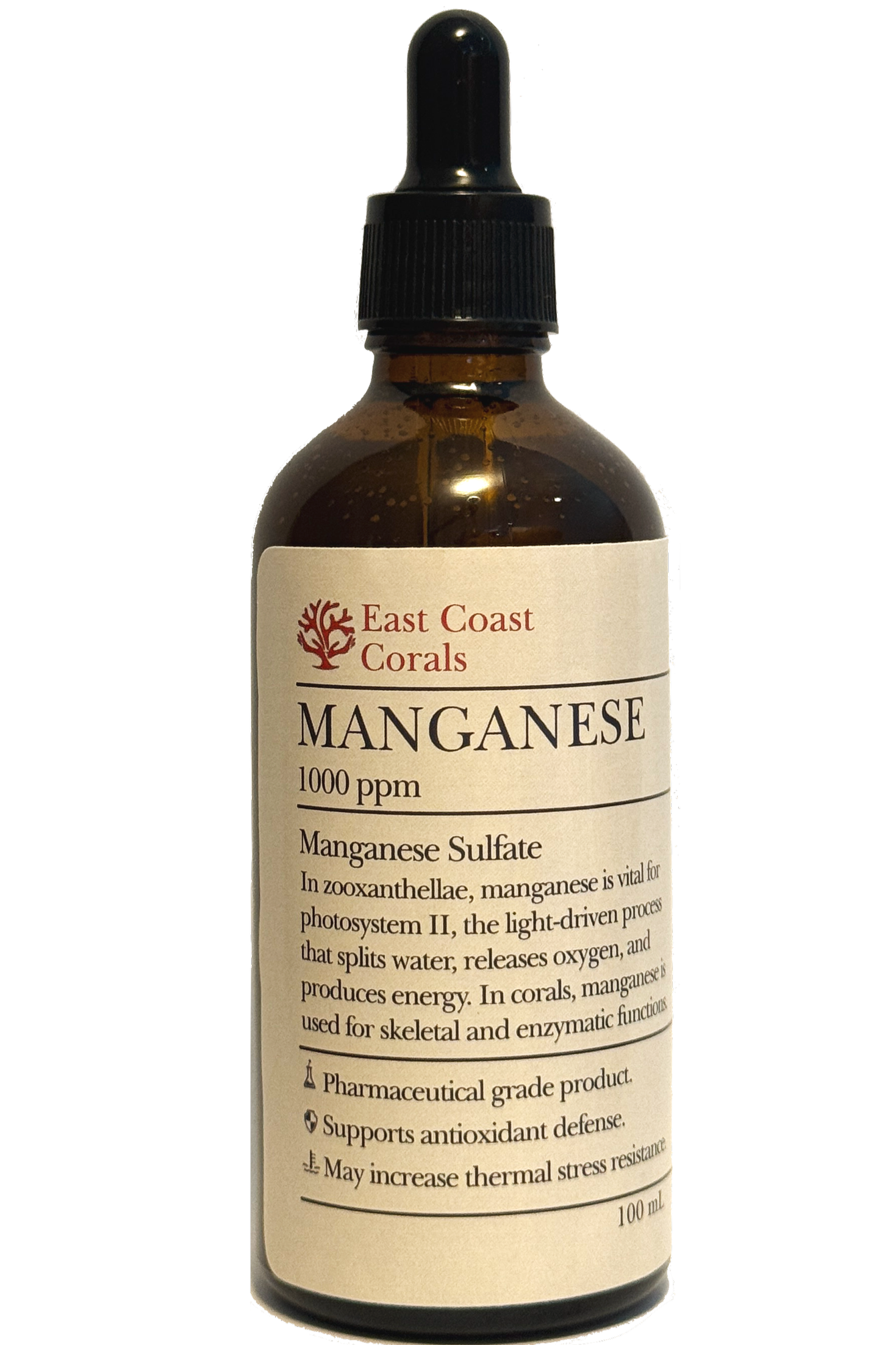
MANGANESE
In zooxanthellae, manganese is vital for photosystem II, the light-driven process that splits water, releases oxygen, and produces energy. In corals, manganese is used for skeletal and enzymatic functions.
-
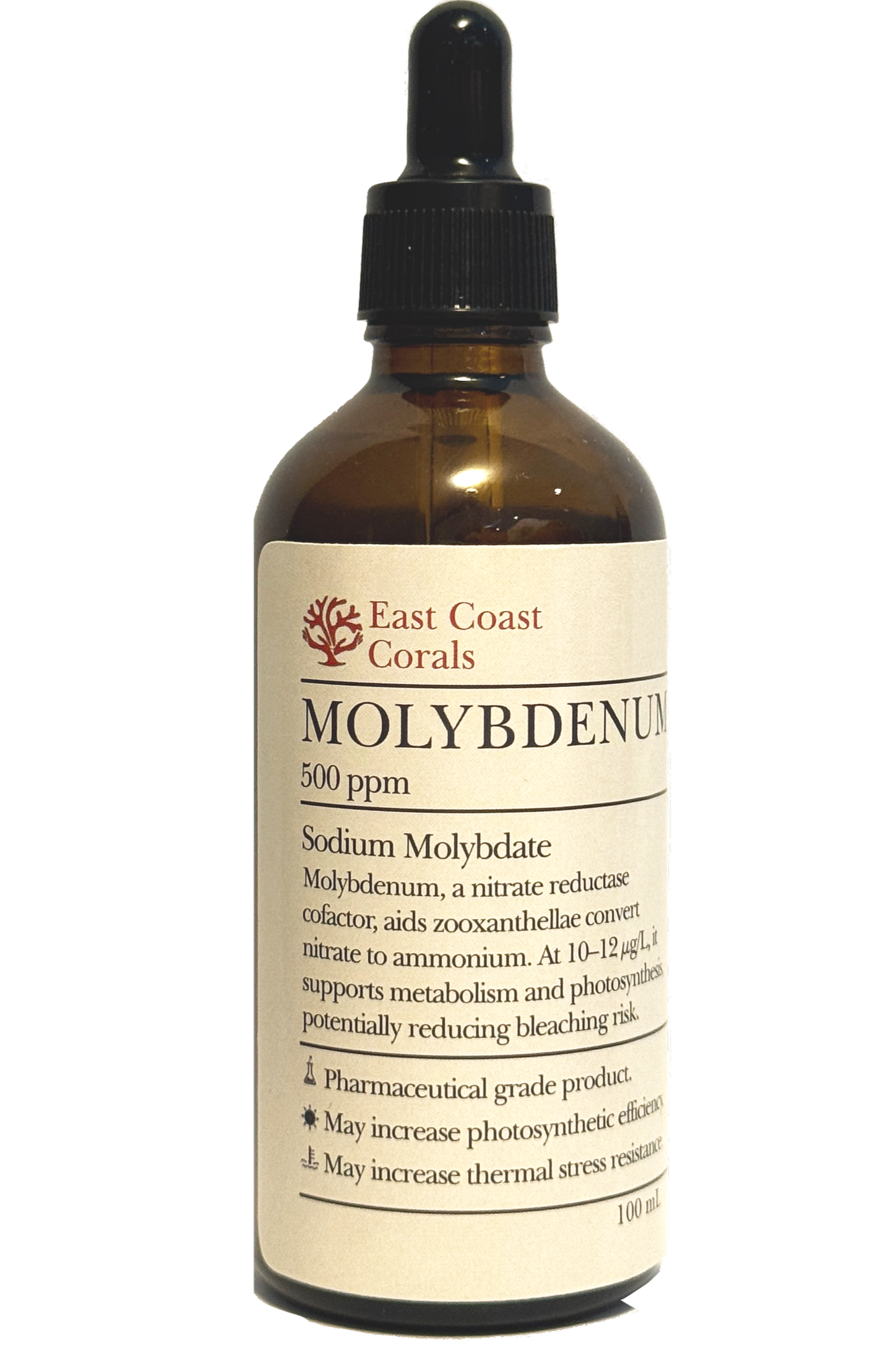
MOLYBDENUM
A nitrate reductase cofactor, aids zooxanthellae convert nitrate to ammonium. At 10–12 µg/L, it supports metabolism and photosynthesis, potentially reducing bleaching risk.
-
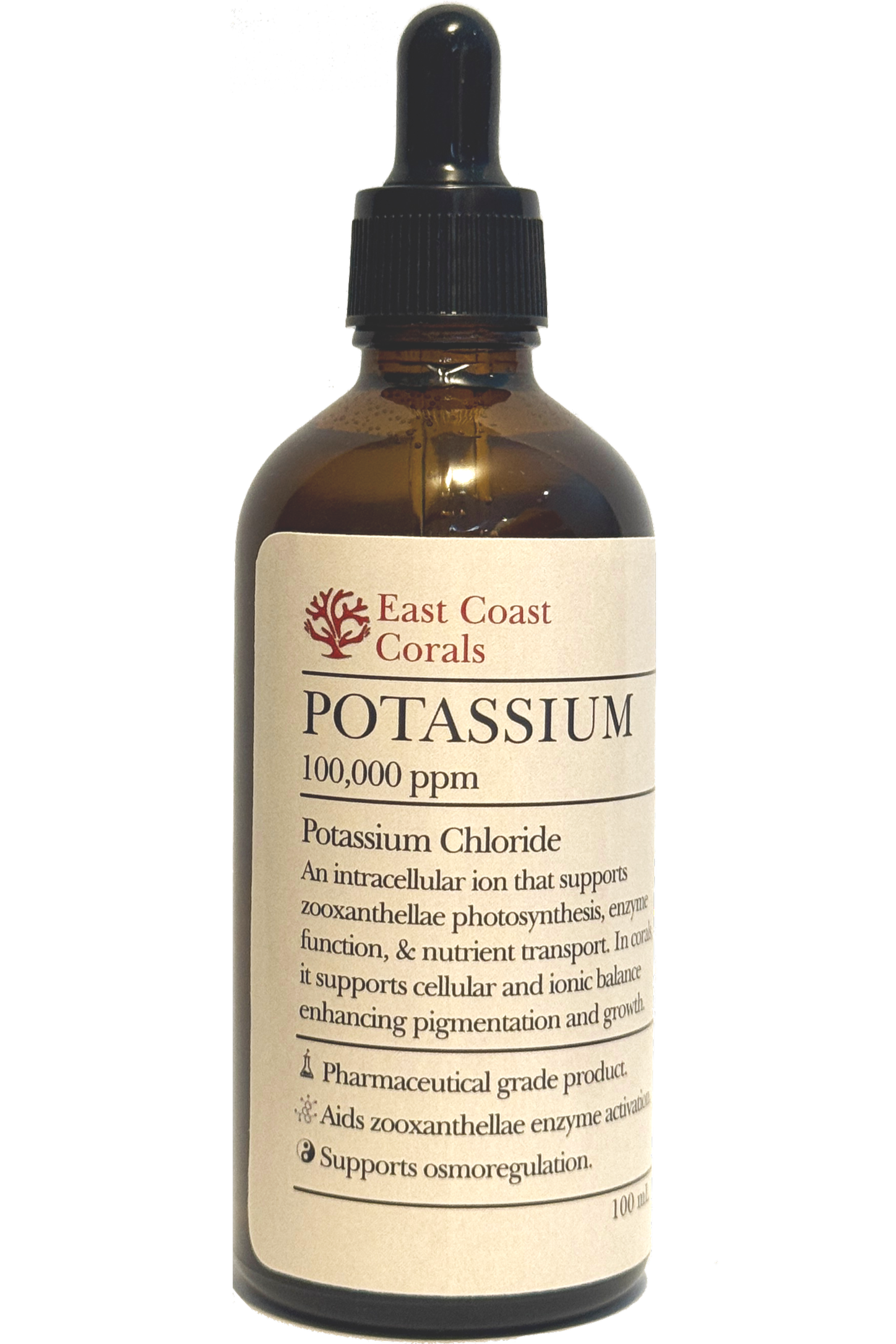
POTASSIUM
An intracellular ion that supports zooxanthellae photosynthesis, enzyme function, and nutrient transport. In corals, it supports cellular and ionic balance enhancing pigmentation and growth.
-
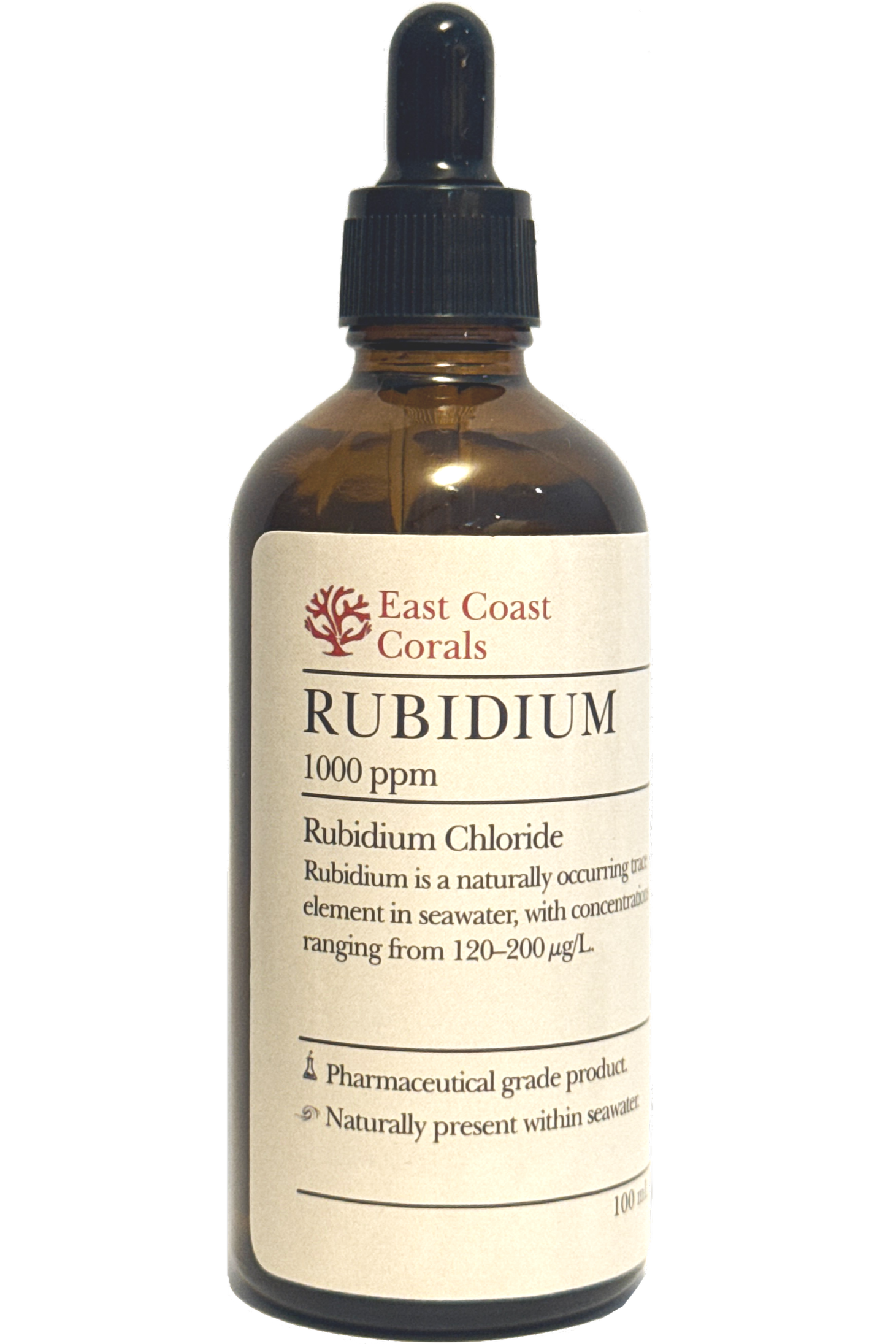
RUBIDIUM
A naturally occurring trace element in seawater, with concentrations ranging from 120–200 µg/L.
-
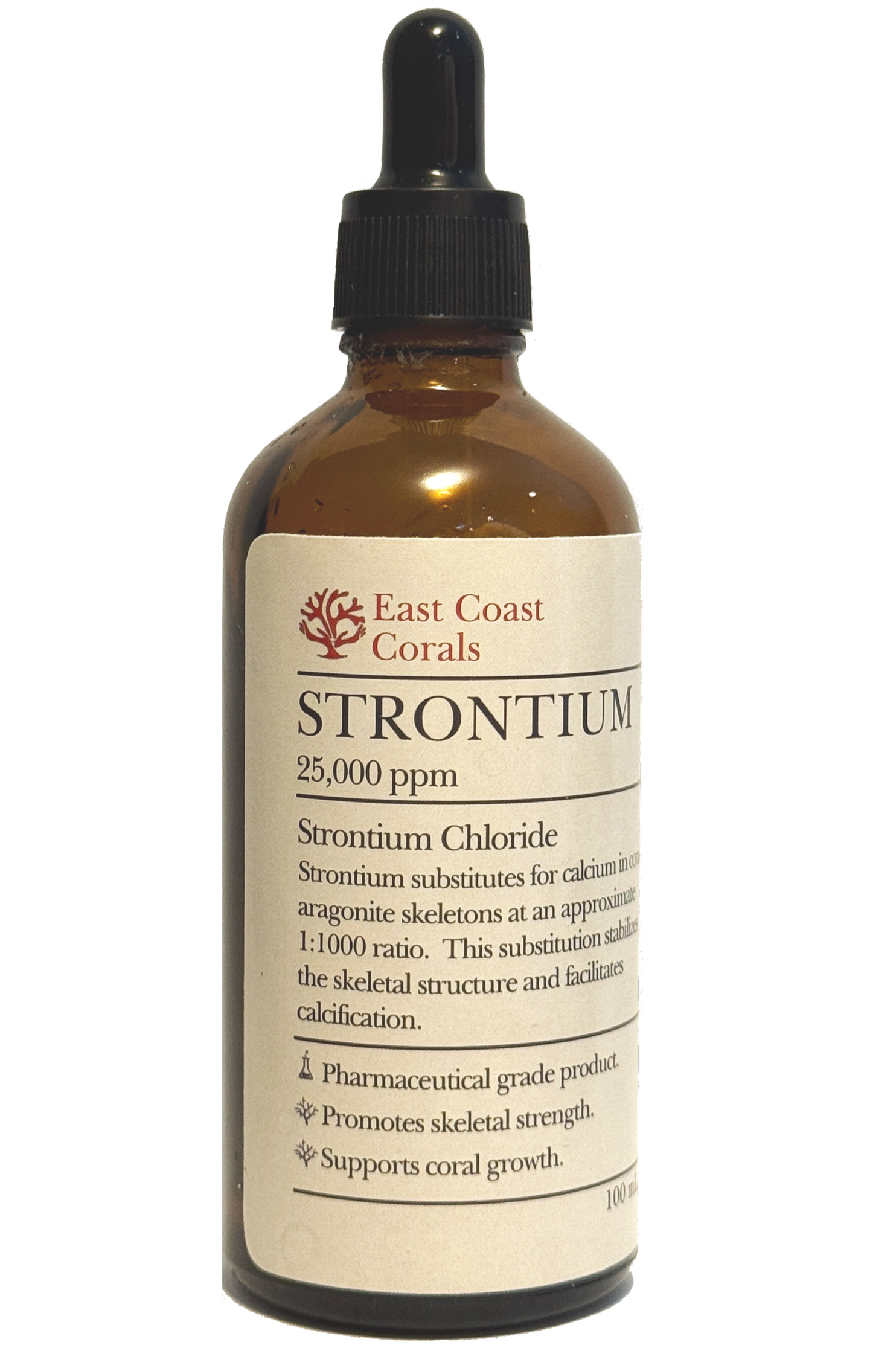
STRONTIUM
Strontium substitutes for calcium in coral aragonite skeletons at an approximate 1:1000 ratio. This substitution stabilises the skeletal structure and facilitates calcification.
-
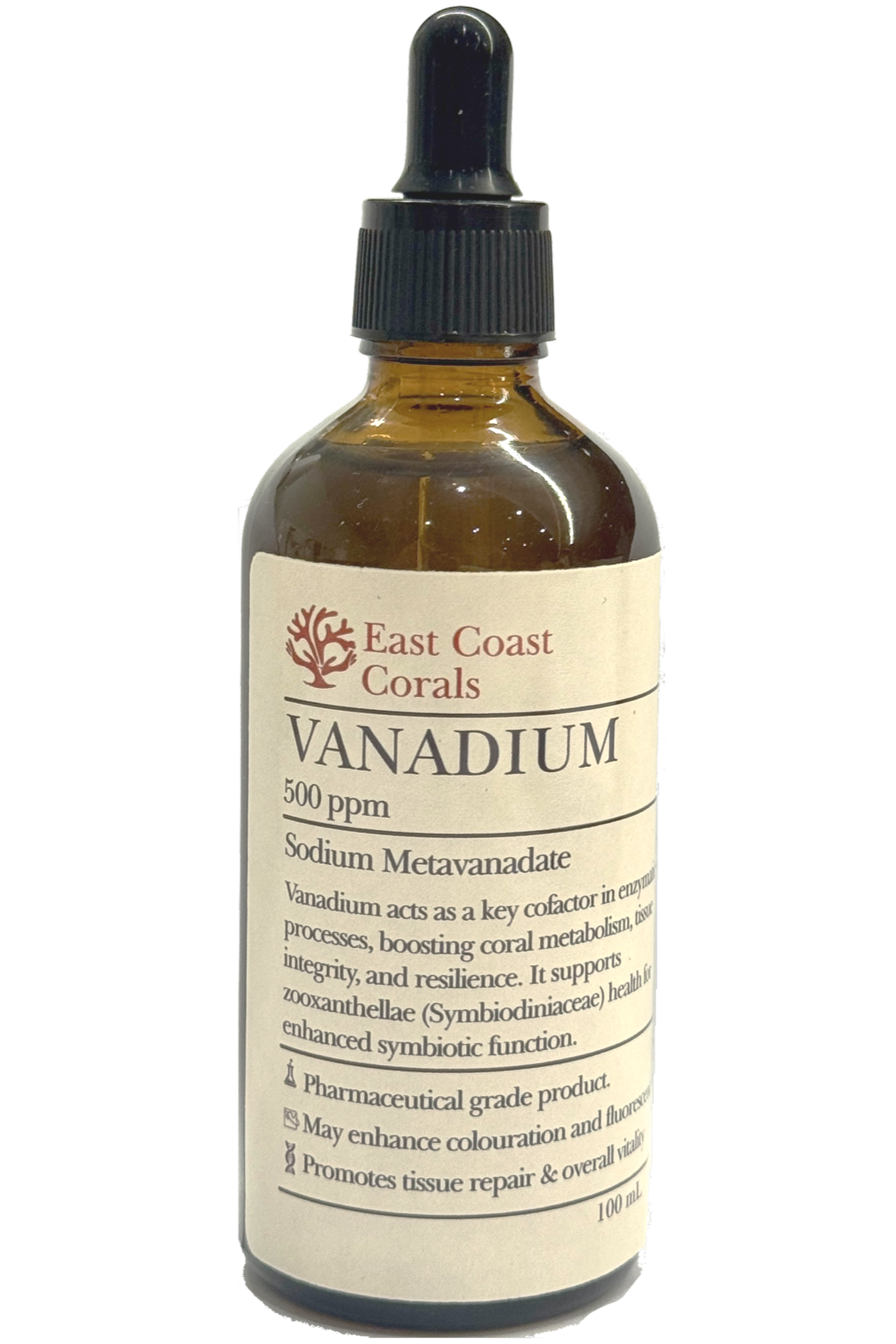
VANADIUM
Vanadium acts as a key cofactor in enzymatic processes, boosting coral metabolism, tissue integrity, and resilience. It supports symbiodiniaceae health for enhance symbiotic function.
-
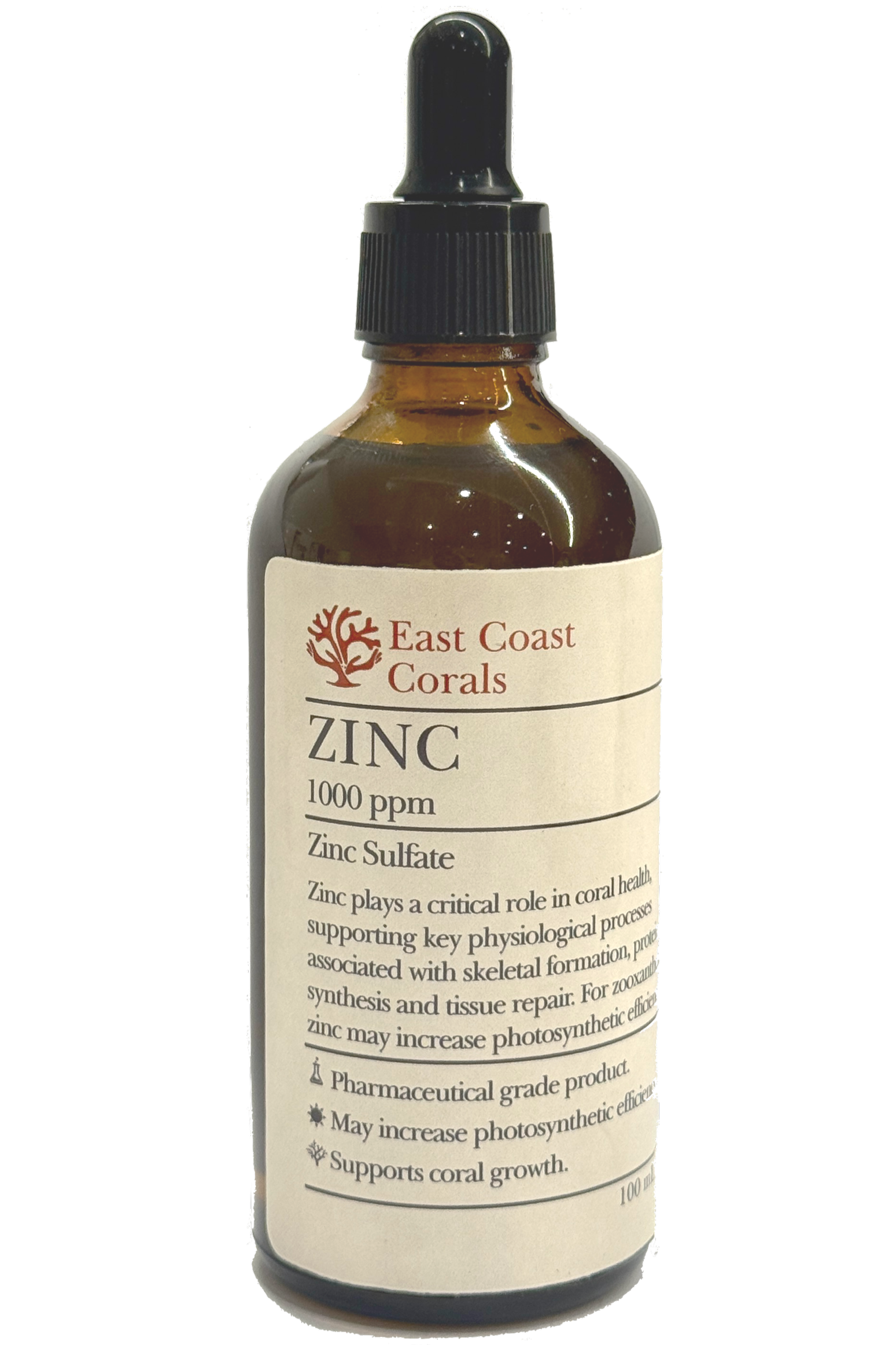
ZINC
Zinc plays a critical role in coral health, supporting key physiological processes associated with skeletal formation, protein synthesis and tissue repair. For symbiodiniaceae zinc may increase photosynthetic efficiency.
WHY DOSE INDIVIDUALLY?
One element. One bottle. One reason.
Your tank is not average.
Blended supplements assume a fixed consumption ratio between elements. In reality, every system consumes elements differently based on coral load, lighting, and flow. Individual dosing lets you respond to what your tank actually needs.
Precision over convenience.
When something goes wrong in a blended system, you can't isolate the cause. With individual elements you can test, adjust, and target the exact deficiency — without affecting anything else.
Nothing superfluous.
You dose only what you choose to dose. No unnecessary elements added for marketing reasons, no guessing what's in a proprietary blend. Complete transparency, complete control.
Not sure where to start?
Use our dosing calculator to find the right elements and amounts for your system.